Author: girlwithoutawatch
My husband turned 40 this year. So too did a bunch of our friends. Many threw hip parties in bars/restaurants, some hosted us them in exotic destinations abroad and some enjoyed quite more intimate dinners at home. Although for the most part, the general mood at these events was relaxed and celebratory, some of the conversations I overheard among a number of my male friends made me think that perhaps there was a bit of melancholy in the air as well. On a few of these occasions a particular question was raised that I found quite interesting and indicative of the mood of our peer group:
“What is—or rather, how would we define—a man in his prime?”
[Please forget for a moment, the fact that there is no such translatable term for a “woman” in her prime—and if there were, please forgive the fact that most men might suggest that these would be our early 20s years.”]
On one of these occasions, I suggested that a man in his prime is simply a “happy and contented” man. As might be expected, this fomented a fierce debate over the varying ways in which each of us define happiness. For one of my girlfriends (an artist), who has a super Zen-like personality (always seemingly content with where she is now), happiness equaled security and safety, in knowing that things would at least be as good as they are at this moment because in her opinion, she had a happy home, with two amazing children, she felt free to make choices based on a range of preferences (schools, medical care, food, travel, material items, etc.), and she was still very much attracted to her husband.
For her husband (an entrepreneur) on the other hand—happiness meant being able to continue to take on risk. Quite the opposite of his wife, he equated risk with freedom; having such freedom made him happy. In an ideal world, his confidence, gut instinct, creativity and experience, would allow him to continue to take on risk and this in turn would allow him upward economic mobility. But there was never a guarantee that this would happen and in the past there had been some less successful endeavors. So this friend, now at age 40, felt he was at a crossroads of sorts—the entrepreneurial spirit in him wanted to leave his current job to pursue something more fulfilling but the current job offered the financial security he and his family had grown accustomed.
For my husband, happiness meant having just enough financial security to be able to eventually change course or direction and pursue more risky, but potentially less profitable professional interests. Of course, exactly what that magic monetary number would be in order to provide “just enough” of a nest egg was absent from his answer.
And then there was me, who felt that the concept of having enough financial security was a constantly moving target, most likely weighted against the financial security that we observe among our peer group—and this measure would invariably limit our mobility and freedom. From my perspective, we couldn’t rely on financial security alone as the stepping-stone to doing something more fulfilling—to finding greater happiness.
Most people would probably agree that the period in which a person begins to think about the notion of a man in his prime is somewhere towards the middle of ones working life—early 40s (approximately 20 years into ones career and 20 or so years before retirement). It is during this period of one’s life that we begin to reflect on our achievements to date. For most men I know, the weight of this achievement rests primarily upon financial successes in the work place. And these career successes (or failures) invariably factor into their happiness equation.
Perhaps this is partly to do with the fact that men don’t seem to derive their confidence from achievements made in their private sphere in the same way that many women do. Relative to women, men certainly don’t talk about the intimacies of their private lives—the unique relationships they have with their partners and/or children, the way in which they might successfully manage some household tasks. My husband certainly relies almost exclusively on me for intimate information about our friends, which I acquire from evenings out alone with the wives.
Without the proper space to discuss achievements made in the private sphere, men are limited to talking or observing each other’s achievements in the public sphere alone. And up until this point in their lives, the public sphere is dominated by work-related discussions. Women do not suffer from this issue to the same extent, in part because we have more freedom to observe each other’s achievements in the private as well as the public sphere—in fact, I often know very little about what many of my female friends do professionally because we tend to discuss our private lives with much more readiness, especially post children.
To help deal with this 40-something complex, I think it could help to split the way we perceive our lives into three phases:
The first phase beginning at birth and running through to the start of our career—we spend this period of time simply learning about ourselves and shaping our individual identities. The second phase, say first twenty years of our working/career life, we spend building the infrastructure to support the aforementioned identity we developed during the first phase. Then in the third phase, we would ideally use that identity (our interests, personality, spirit) and our infrastructure (information, wisdom, skills, access, social capital as well as financial capital) to influence things that lie beyond our immediate household.
This third phase basically involves more than taking on a new (“selfish”) hobby. It means choosing to do something that is not driven by monetary gains alone. I believe “a man in his prime”—or a woman in her prime for that matter—is someone who has been liberated from this stereotypical role of financial provider (or at least financial provider alone). For this to happen, it is critical that we first factor in the range of variables that make up the quality of ones life at the household level, rather than the overall economic worth of the household, to help us become happier with where we are today, right now. But figuring out how to use our skills to influence at least some aspect of the world around us, outside the our traditional work place, will make us feel part of something greater, more self-less; and this will inevitably help make us happier with where we are going and more connected to our future. No time you say for all this? Hogwash. The more you do the more you do.





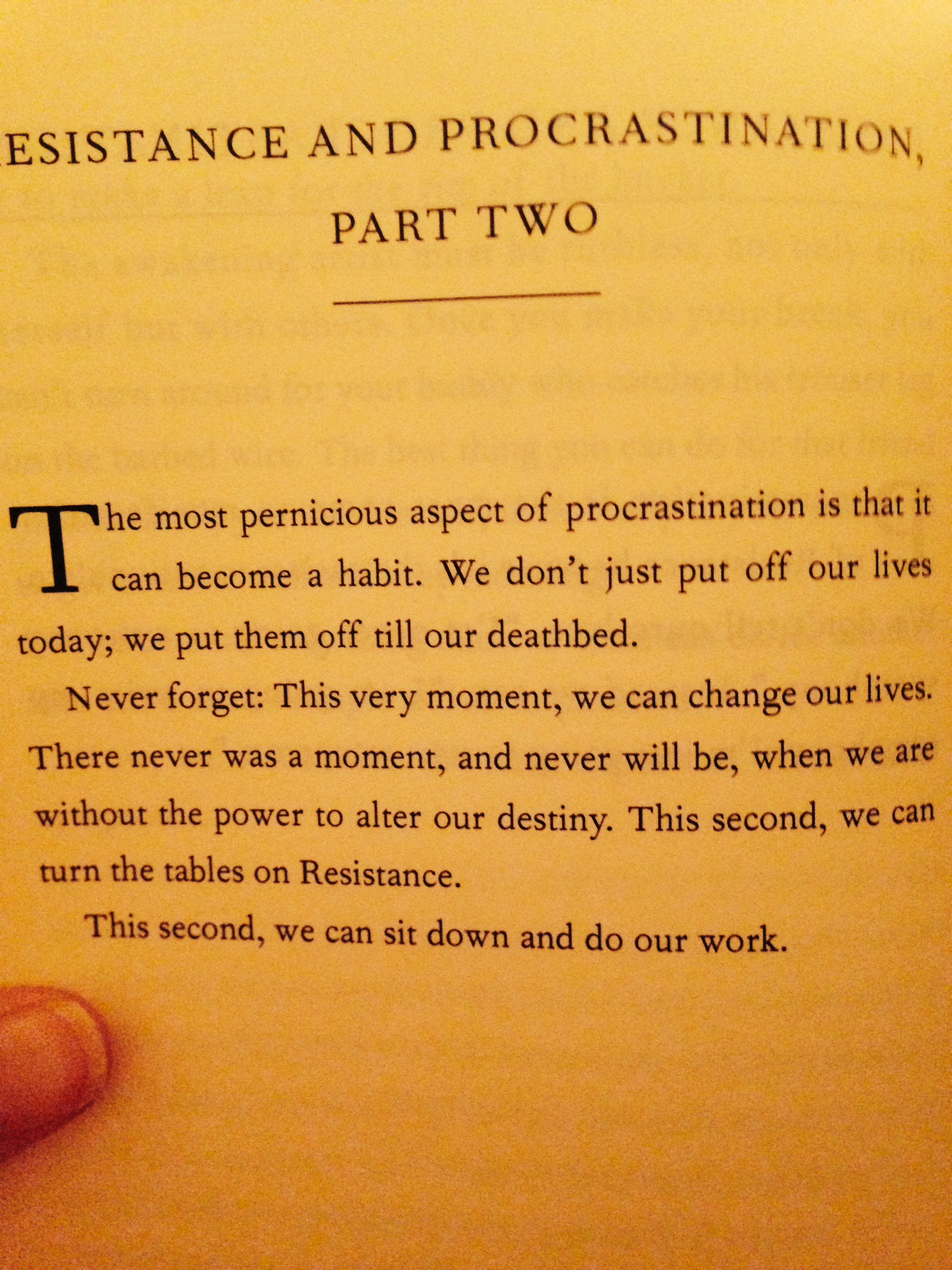
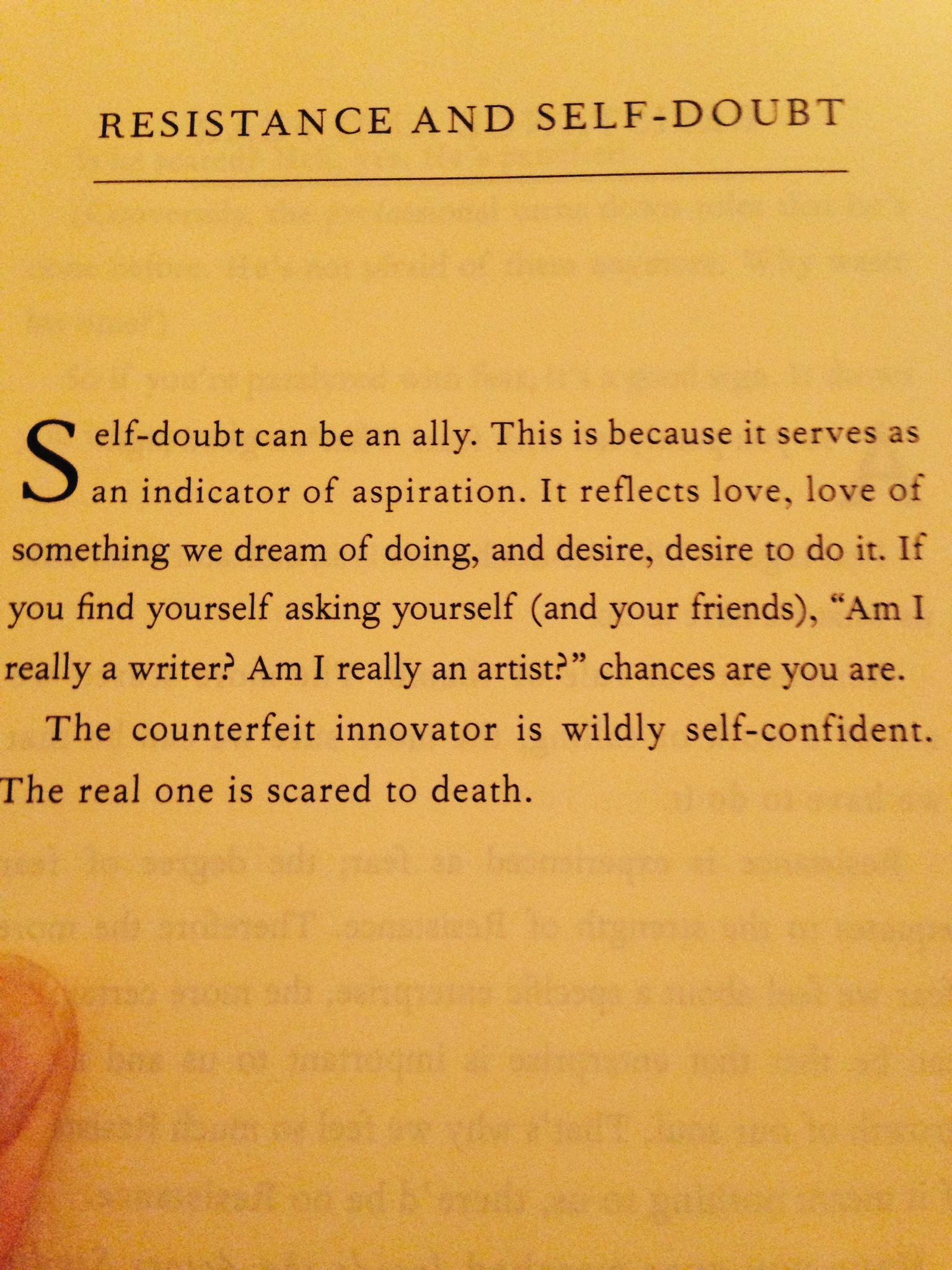
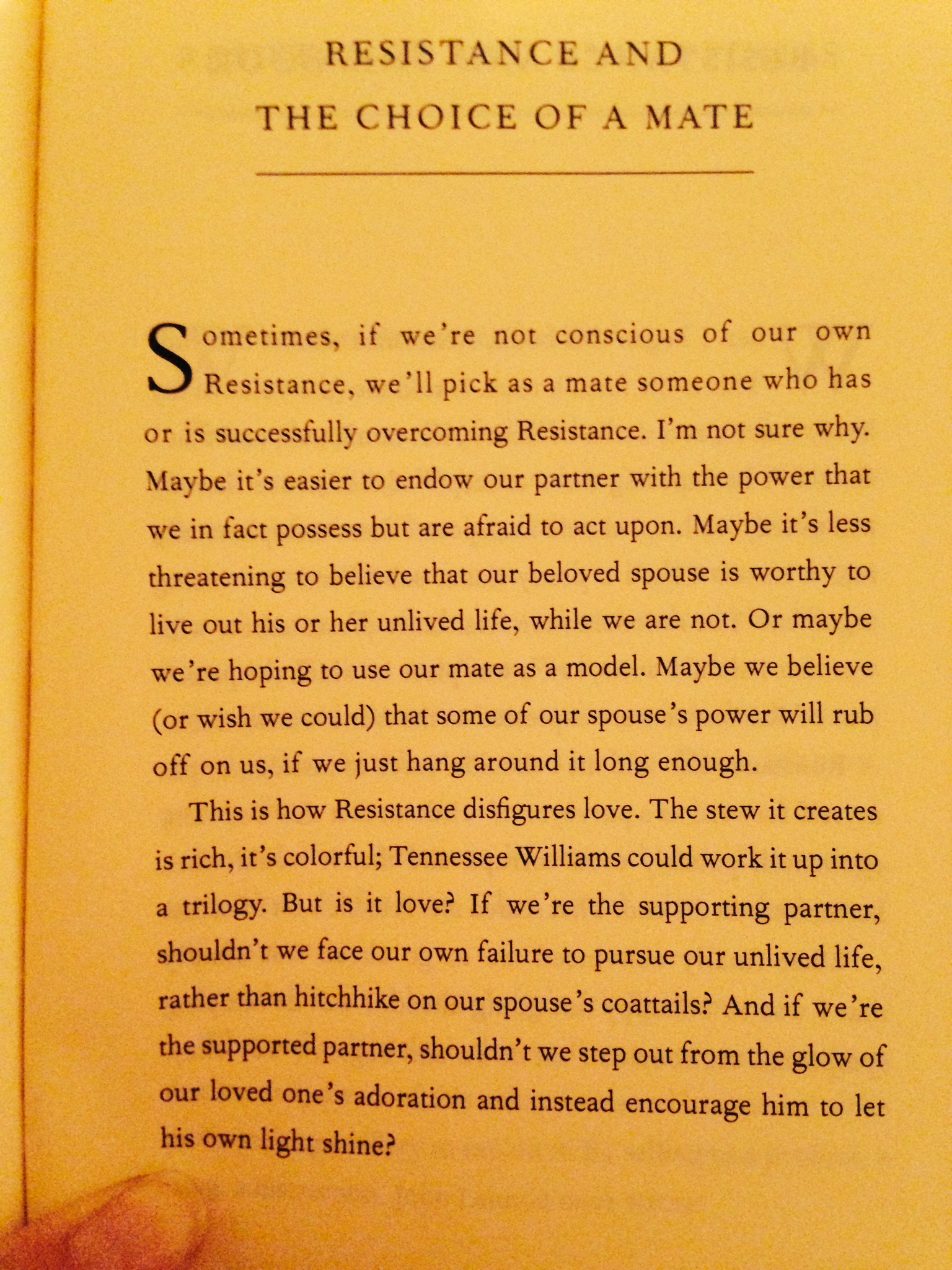
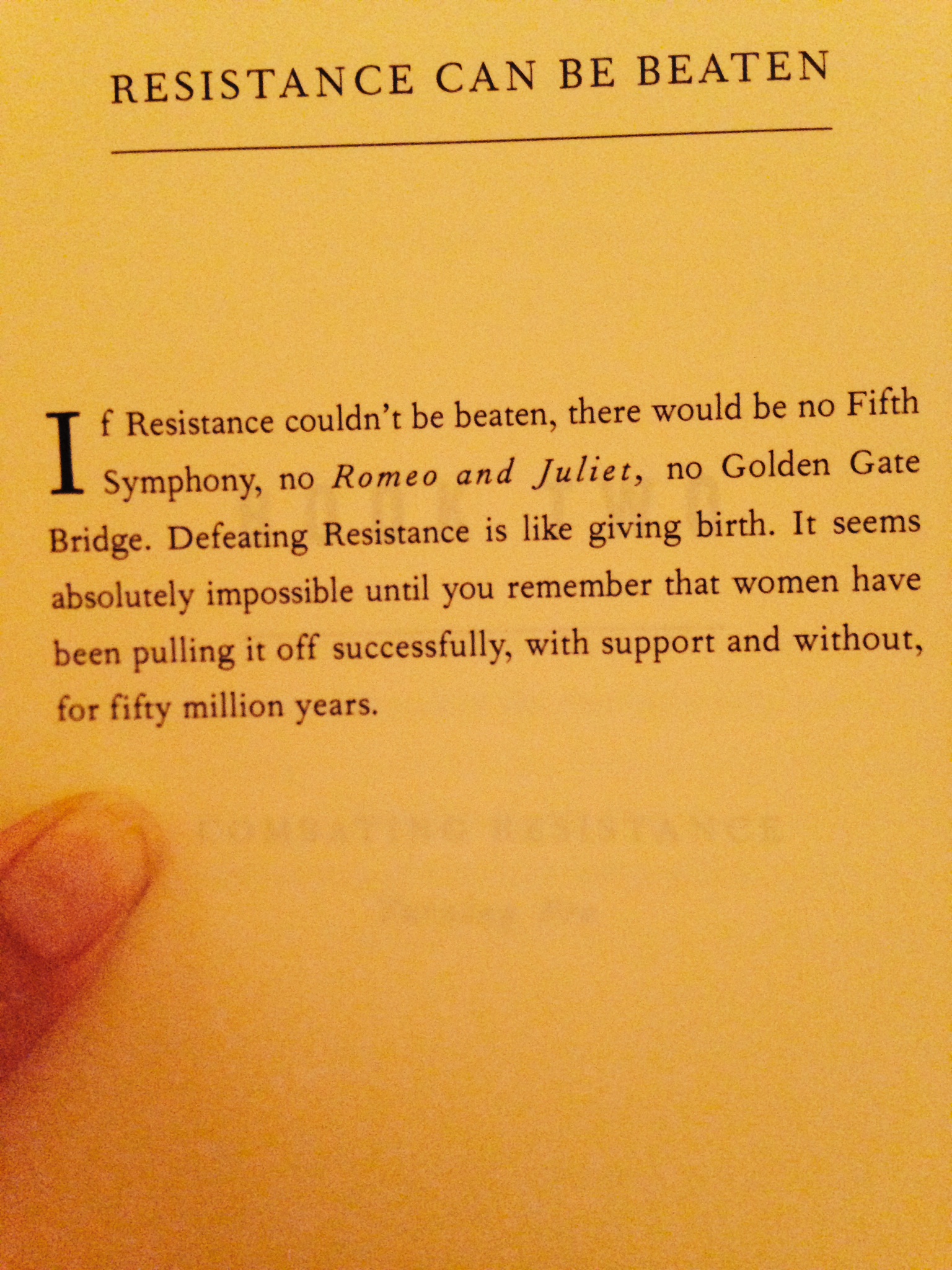
 http://downloads.bbc.co.uk/podcasts/worldservice/whyfactor/whyfactor_20140711-1830a.mp3





 Girlwithoutawatch