Forgiveness is the key to action and freedom.
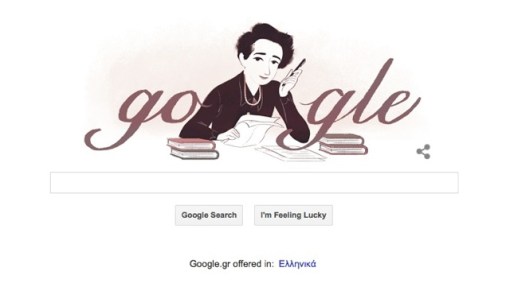
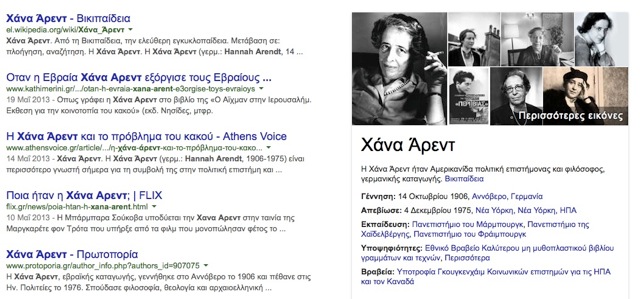
– Dancer Maddie Ziegler is 11 years old
Meet Pina (note the arabesque):
(Dialogue with Luna, age 5)
– We aren’t rich mummy.
– Oh no? how can you be so sure?
– Well first of all, we don’t have gold around everywhere in our house and I don’t have a million gowns or anything like that hanging in my closet. Also, we are very nice to people.
– And if we were rich we wouldn’t be nice to people?
– No, we wouldn’t. Rich people aren’t usually very nice. They are rude usually because they are spoiled.
– Huh. Where did you hear that? Or do you know some rude rich people?
– No, I know this because, you see, if you have everything you want already, you don’t have to be nice to people anymore to get things you want. Because you already have EVERYTHING.
– Are YOU only nice to people because you want to get something from them?
– No. But that’s because I’m not rich. I’m medium. We’re medium–we’re not rich or poor. If we were poor–are you listening mummy? If I were poor I would HAVE to be nice to everyone, all the time. Because I would need to be helped by people. Poor people have to be extra, REALLY extra nice to other people, especially rich people, otherwise they may be stuck forever being poor. Sleeping on the street. You see what I mean?
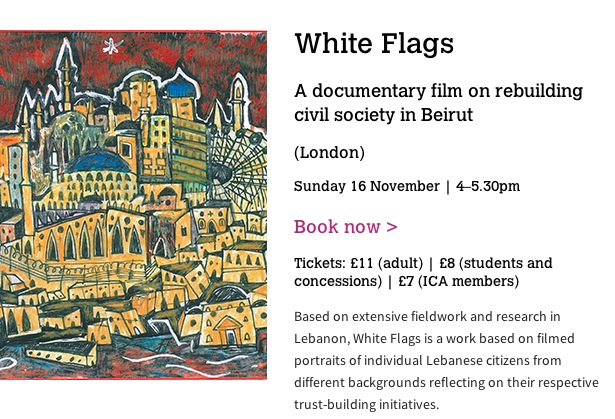
The documentary explores current issues in Lebanon relating to conflictual post-war memory, ideological and sectarian divisions, socio-economic problems, and peacebuilding initiatives by individuals and organisations who seek to actively intervene in their society and rebuild trust amid the challenges and dangers of ongoing crises. It conceptually and artistically explores the importance of white flags in a country where the national flag has oftentimes had its significance stolen and where the variously coloured flags of embattled political parties have heightened tensions and divisions.
The film features interviews with psychoanalyst Chawki Azouri, journalist Jeanine Jalkh, president of ‘Memory for the Future’ association Amal Makarem, and artists-activists Raouf Rifai and Aurelien Zouki. It was completed with the participation of cinematographer and second unit director Johnny Hchaime and the production management team at The Media Trust, London. It was funded by Research Councils UK.
A discussion with the audience will follow the screening. The directors of the film, Caroline Rooney and Rita Sakr, will attend the screening to answer questions on how and why the film was made.
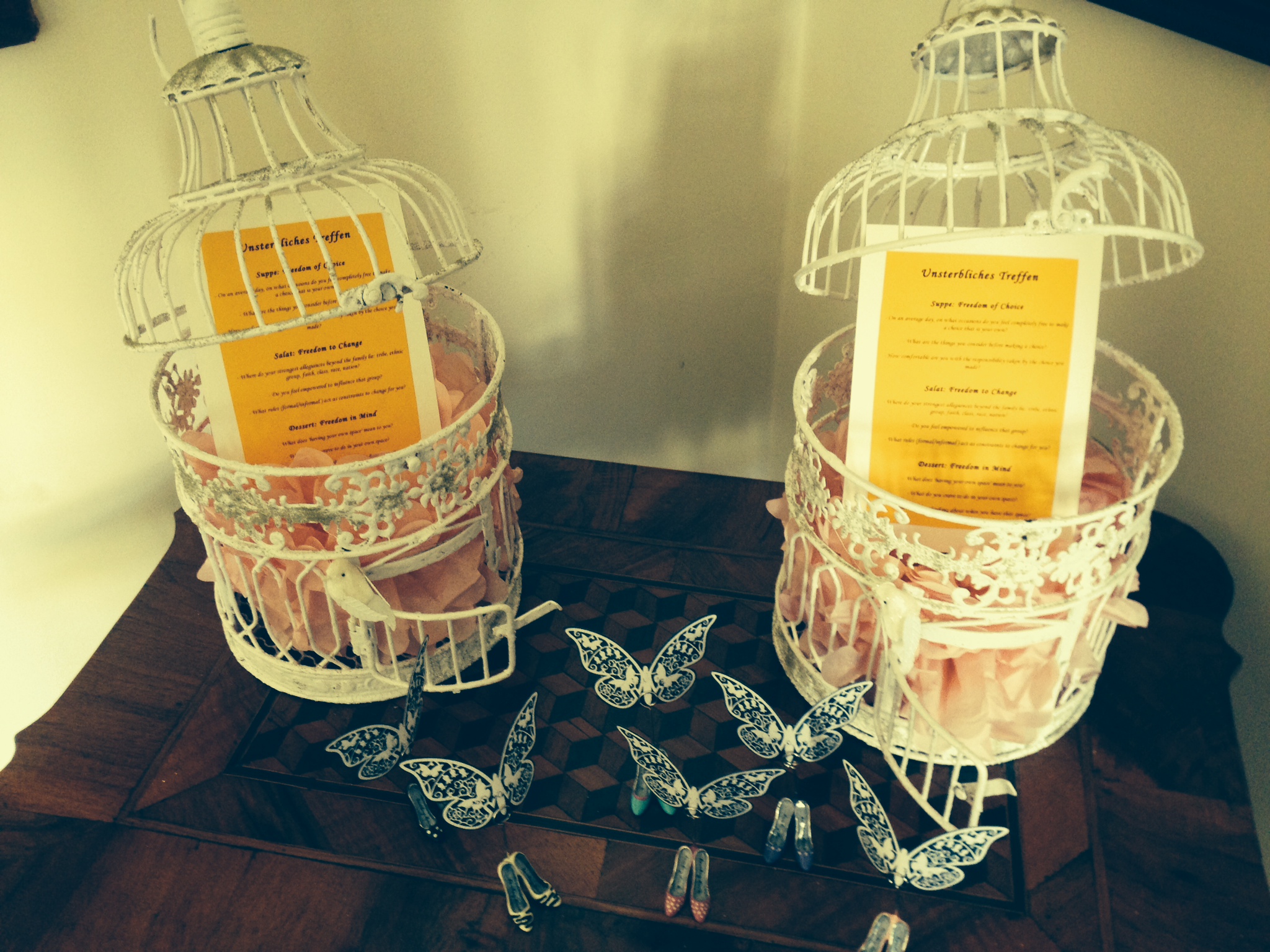
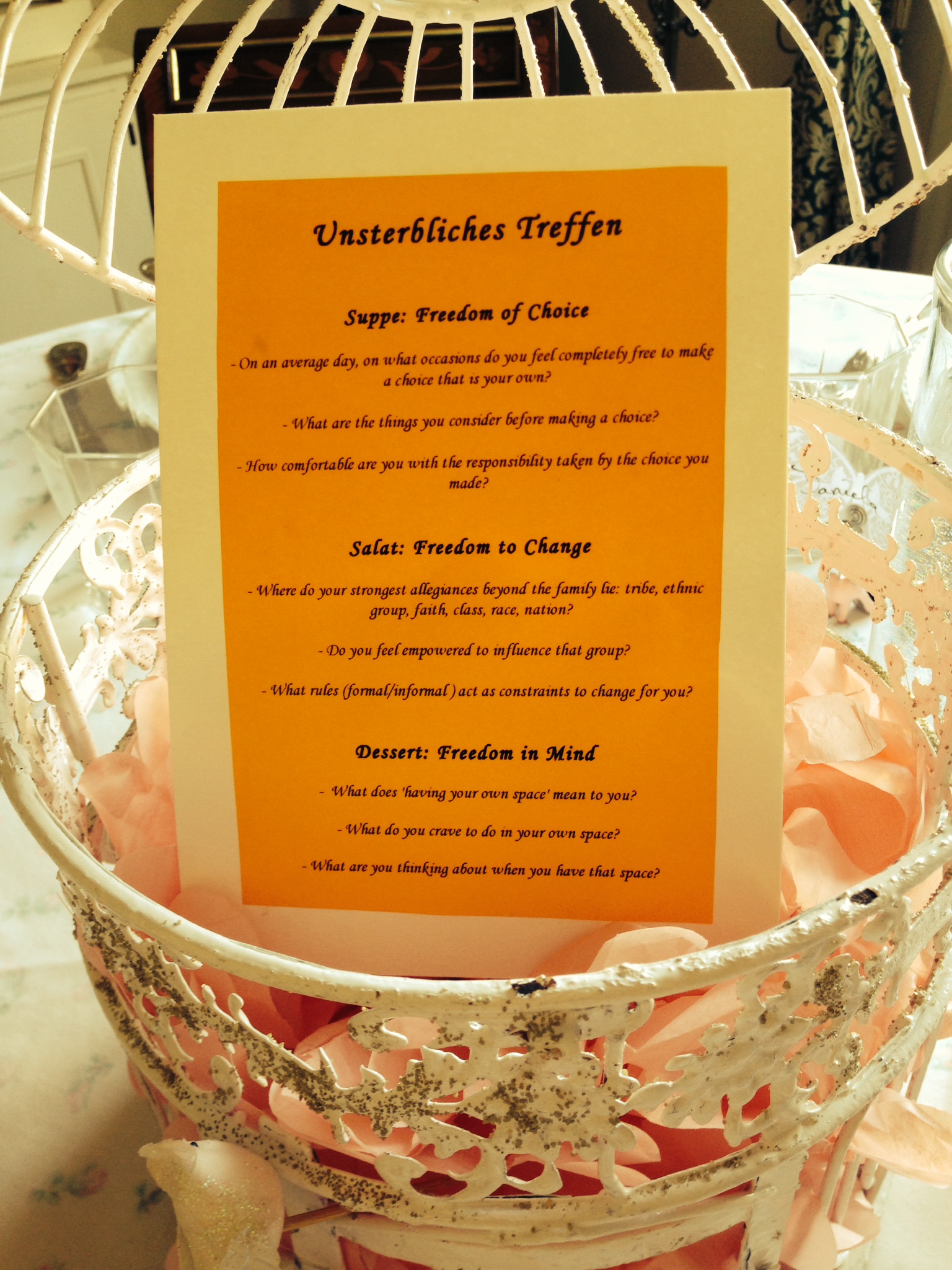
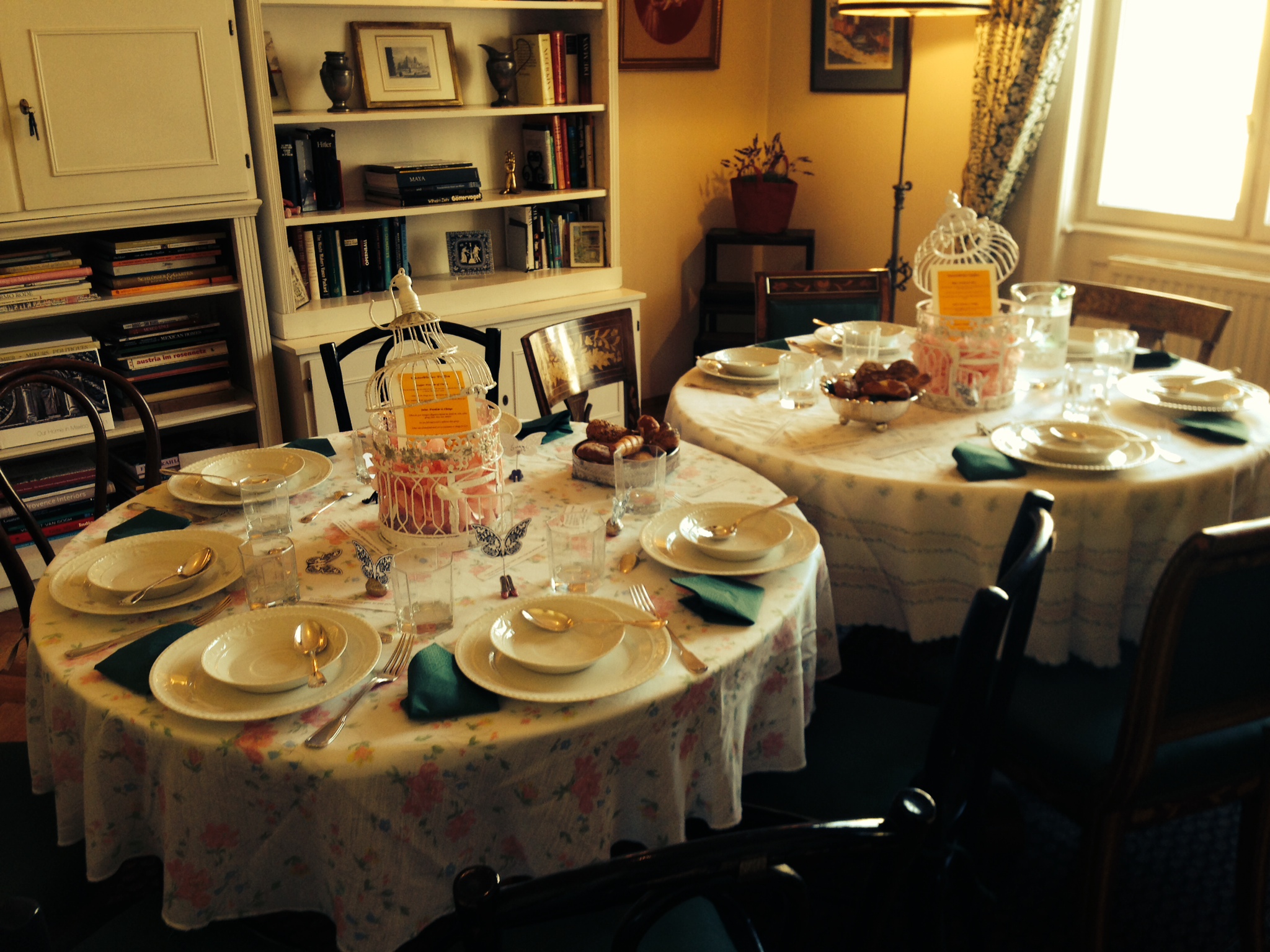
Die Gedanken sind frei, wer kann sie erraten,
sie fliegen vorbei wie nächtliche Schatten.
Kein Mensch kann sie wissen, kein Jäger erschießen
mit Pulver und Blei: Die Gedanken sind frei!
Ich denke was ich will und was mich beglücket,
doch alles in der Still’, und wie es sich schicket.
Mein Wunsch und Begehren kann niemand verwehren,
es bleibet dabei: Die Gedanken sind frei!
Und sperrt man mich ein im finsteren Kerker,
das alles sind rein vergebliche Werke.
Denn meine Gedanken zerreißen die Schranken
und Mauern entzwei: Die Gedanken sind frei!
Drum will ich auf immer den Sorgen entsagen
und will mich auch nimmer mit Grillen mehr plagen.
Man kann ja im Herzen stets lachen und scherzen
und denken dabei: Die Gedanken sind frei!
Ich liebe den Wein, mein Mädchen vor allen,
sie tut mir allein am besten gefallen.
Ich sitz nicht alleine bei meinem Glas Weine,
mein Mädchen dabei: Die Gedanken sind frei!
Freedom contains the mystery of the world. God wanted freedom, and from this came the tragedy of the world. – Nikolai Berdyaev
No one is free; even the birds are chained to the sky. – Bob Dylan
Philomena – Mami, when am I going to be free to do whatever I want?
Mummy– What do you mean? What would you like to do that you don’t do already?
Philomena – I don’t get to choose anything. Not even what I eat.
Mummy – Are you kidding? You have so much more choice than I ever had as to what you eat.
Philomena – Maybe I have more choice than you but that doesn’t mean I can choose what I want. I don’t get to choose anything. I have to go to school. I have to eat pasta with cheese sauce even though it makes me gag just smelling it.
Mummy – Once every few weeks they serve you pasta with cheese sauce.
Philomena – But I hate it. It makes me sick. And no one listens to me about it. I’ve asked politely a million times. It is not respectful not to listen. I am perfectly happy to eat the pasta but not the sauce. It is absolutely terrible to be a child sometimes. I can’t wait to grow up so that I can do whatever I want.
Mummy – Believe me Philomena, growing older doesn’t necessarily grant you the freedom to do whatever you want. You will always be fighting for your freedom (and the freedom of others) in one way or another—you will fight for the freedom to do what you want, live where you want, behave the way you want, love what you want, freedom to change the world around you, to make the world a better place, it is always a battle. Participating in that battle, that struggle, it’s what makes us human. Fortunately, what also makes us human is our imagination. The only place you are ever truly free is in your mind. Freedom is your creative force. And even that takes some practice. I promise you, your mind at age 7 is a whole lot freer than my mind at age 40.
http://keystotherain.net/music/ChimesofFreedom.mp3
Think about it, there must be higher love
Down in the heart and in the stars above,
Without it, life is wasted time.
Look inside your heart, I’ll look inside mine
Things look so bad everywhere
In this whole world, what’s fair?
We walk blind and we try to see
Falling behind in what could be.
Bring me a higher love
Bring me a higher love,
Bring me a higher love
Where’s this higher love, I’ve been thinking of?
Worlds are turning and we’re just hanging on
Facing our fear, standing out there alone
Oh a yearning, and it’s real for me
There must be someone who’s feeling for me
Things look so bad everywhere
In this whole world, what’s fair?
We walk blind and we try to see
Falling behind in what could be
Bring me a higher love
Bring me a higher love,
Bring me a higher love
Where’s this higher love, I’ve been thinking of?
I will wait for it, I’m not too late for it
Until then, I’ll sing my song
To cheer the night along
I could light the night up with my soul on fire
I could make the sun shine from pure desire
Let me feel the love come over me
Let me feel how strong it can be
Bring me a higher love
Bring me a higher love, oh
Bring me a higher love
I could rise above for this higher love.

What does it mean to be human? How do we understand ourselves, our relationship to others and our place in nature? For centuries the humanities have addressed these questions. Artists, writers, philosophers, theologians and historians have considered who we are, how we live and what we value most. But are these long-standing questions changing in 2014? We are more connected than ever, yet we spend more time with smart phones and computers than face to face. The world is becoming smaller, yet the digital information we can access and store, even about ourselves, is vast and growing. Developments in science and technology are moving fast, challenging our understanding of the self and society. What sense can we make of these changes and what challenges do we face? We need the humanities more than ever to help us address these issues and provide the means to question, interpret and explain the human predicament.
The festival is held as part of the School of Advanced Study’s 20th anniversary celebrations and draws on the success of the 2013 King’s College Festival of the Humanities. Being Human will be the UK’s first national festival of the humanities. Led by the School of Advanced Study, University of London in partnership with the Arts and Humanities Research Council and the British Academy, and universities, arts and cultural organisations across the UK, it will demonstrate the value, vitality and relevance of the humanities in 2014. Find out more at www.beinghumanfestival.org or follow the festival on Twitter at @BeingHumanFest.

I think one of the most frustrating aspects of becoming a mother is that so much of what we really experience on a daily basis remains an untold story.
‘Happiness is only real when shared.’
This was the last sentence written in the journal of a young man who decided to explore the depths of solitude by way of excluding himself from society; the poor guy ended up dying alone in the wilderness of Alaska. During his time in the wild, he learned skills that he never thought were in his capacity; he gained an intimacy with his environment by observing and analyzing the behaviour of the rough country that surrounded him. During the two years he spent in isolation, there were moments of spectacular significance. Life expressed itself time and time again in completely unexpected ways—there were beautiful as well as brutal surprises and harsh lessons learned.
Unfortunately, however—without anyone there to experience these moments with him—such significant moments invariably lost much of their unique importance. Sadly for him, it was only at the end of his journey when he realized that happiness is only real when shared.
Of course motherhood does not equate to living on one’s own in the Alaskan wilderness. But there is often an extreme sense of isolation that comes from staying at home with one’s children. There are playgroups, meeting up with friends in the park or at the local café for cappuccinos and babyccinos, but most mums we know never manage to string more than a few sentences together before being distracted by a child falling or screaming or hitting or putting something dangerous or dirty in its mouth.
Then there are the husbands/partners, who are (for the most part) eager to hear about the trials and tribulations of the day, eager to hear about these so-called significant moments that we experience with the children. What we often find is that recounting these moments isn’t easy at the end of a long day.
No, that’s not right. Recounting the moments themselves isn’t difficult but explaining their significance is a much harder task.
Our explanations require the time and the space to philosophise and to add context, in order to provide greater meaning to our seemingly routine activities and linkages to the goings-on of the world around us. Perhaps we begin to doubt our ability to do this when even reading an occasional newspaper seems to be a near-impossible achievement.
But I believe there are concepts that do not require linkages to current affairs or to contexts that are implicitly understood by our partners. Our daily rituals and adventures contain universal concepts that we all relate to and that we all question. If we can harness what we learn and what we think about on a day-to-day basis—all those thoughts we currently allow to be only fleeting—if we can use and link these ideas to more universal concepts, than perhaps our moments of happiness can more easily be shared with others inevitably making our own happiness feel more real.
https://girlwithoutawatch.wordpress.com/wp-admin/post.php?post=11&action=edit
“These are damaged people. They’ve done amazing things. And they’ve done it all, as far as I can see, as a result of their struggles with madness. None of them were sectioned. None received, or even sought, psychiatric help. Instead, their storytelling brains wove heroic narratives that explained away the collapse of their identities even as they were taking place. Their confabulations were so credible to them that they metamorphosed into different selves. And then, in their own small ways, they went on to change the world.” – Will Storr
http://aeon.co/magazine/psychology/how-a-hero-narrative-can-transform-the-self/
In October, Will Storr is teaching a course for writers on the science of storytelling, in London. Details are available here.
I used to walk like a giant on the land
Now I feel like a leaf floating in a stream
I wanna walk like a giant
I wanna walk like a giant on the land
Me and some of my friends
We were gonna save the world
We were trying to make it better
We were ready to save the world
But then the weather changed
And the white got stained
And it fell apart
And it breaks my heart
But think about how close we came
I wanna walk like a giant on the land
I wanna walk like a giant on the land
Tried to head for long and straight
We were riding on the desert wind
We were pulling in the spiritual
Riding on the desert wind
We could see it in the distance
Getting closer every minute
We saw the lights and spiritual shining
Getting closer every minute
Then we skipped the rails
And we started to fail
And we folded up
And it’s not enough
Think about how close we came
I wanna walk like a giant on the land
I wanna walk like a giant on the land
Whenever I see the big fire coming
Coming to burn down all my ideas
I try to hold on to my thinking
And remember how it feels
When I’m looking right in your eyes
And hearing your happy laughter
When I’m seeing your blue eyes shining
And hear your happy laughter
So the moment came
And the big sky rained
And it put out the fire
Except in my desire
When I think about how good it feels
I wanna walk like a giant on the land
I wanna walk like a giant on the land
I used to walk like a giant on the land
Now I feel like a leaf floating in a stream
I wanna walk like a giant
– Niel Young
New York Times: Why Our Monuments Matter
Nikos Konstandaras
ATHENS —
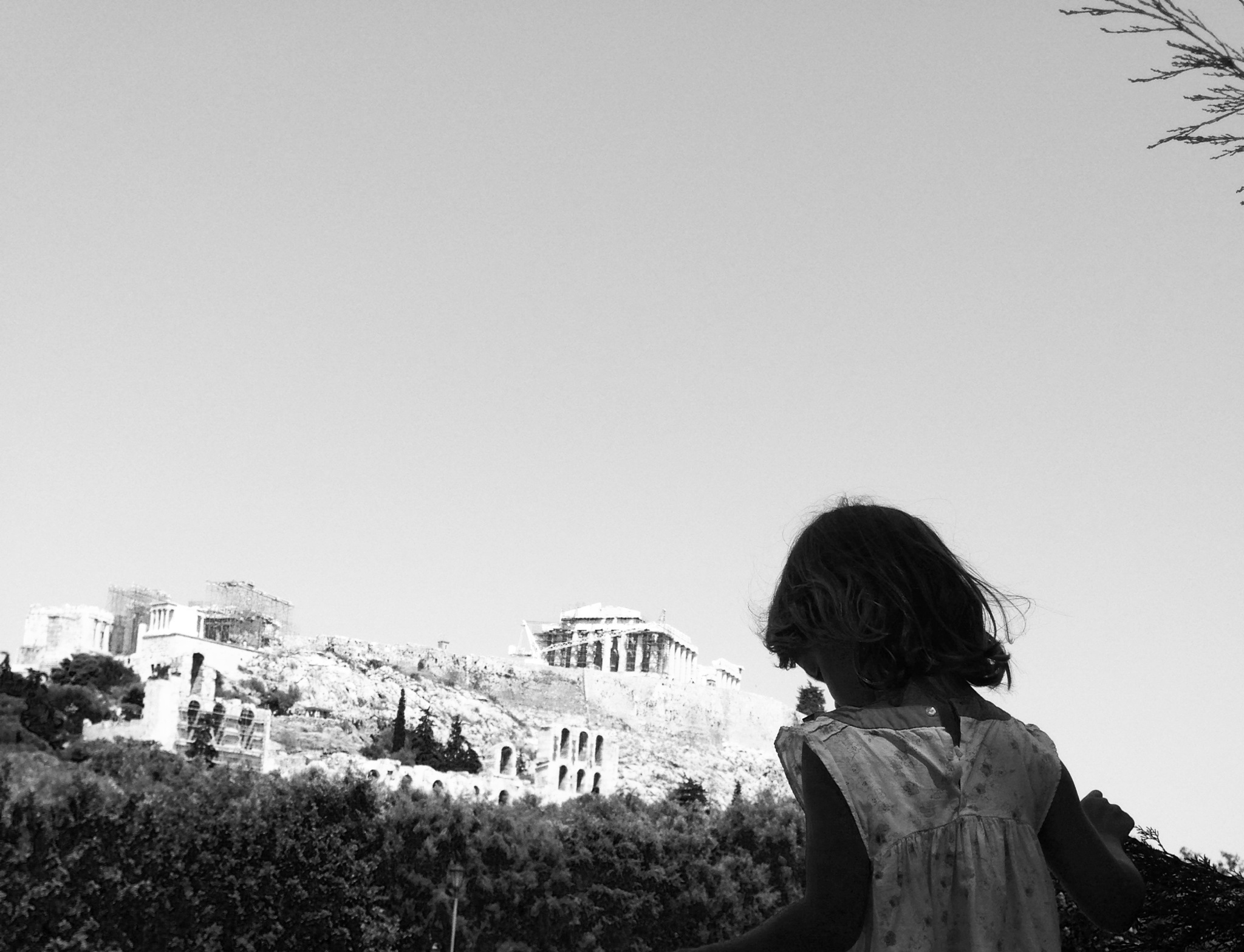
“It was only natural that the Acropolis inspired some introspection in Freud. His whole frame of reference, like the tale of Oedipus, was ancient Greece and its myths, archetypes and tragedies. As he himself liked to observe, Freud excavated like an archaeologist through layers of consciousness, pursuing the secrets of the mind; he changed the way we see ourselves. Face to face with the marble evidence of the ancient world, he looked back into himself….”
“….The great dislocation of our time indicates just how frail our monuments, our books, our thoughts and principles can be. Still, they exist — and they are our guide and our shield. But if our symbols are lost, we will be no better than ignorant armies riding pickup trucks through the endless dust, where canals, dried and gone, once made the desert bloom.”
[Nikos Konstandaras is the managing editor and a columnist at the newspaper Kathimerini.]
 Girlwithoutawatch