
The Colour of Easter
20 04 2014
I feel close to all men and women who, although not claiming to belong to any religious tradition, still feel themselves to be in search of truth, goodness and beauty. – Pope Francis
Act as if everything depended on you; trust as if everything depended on God. Go forth and set the world on fire. – Ignatius of Loyola
Historical Christianity has fallen into the error that corrupts all attempts to communicate religion. As it appears to us, and as it has appeared for ages, it is not the doctrine of the soul, but an exaggeration of the personal, the positive, the ritual. It has dwelt, it dwells, with noxious exaggeration about the person of Jesus. The soul knows no persons. It invites every man to expand to the full circle of the universe, and will have no preferences but those of spontaneous love…. The time is coming when all men will see, that the gift of God to the soul is not a vaunting, overpowering, excluding sanctity, but a sweet, natural goodness, a goodness like thine and mine, and that so invites thine and mine to be and to grow. – Ralph Waldo Emerson
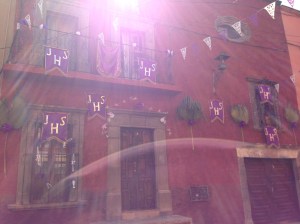
The colour of Easter is so beautiful, Mummy. – Philomena
Comments : 1 Comment »
Categories : God, Love, Morality, Uncategorized
Melancholy can smile. Sorrow cannot.
18 04 2014
“Melancholy can smile. Sorrow cannot. And smiling is the legacy of my tribe.”
– Friedrich Torberg in Tante Jolesch [http://www.viennareview.net/vienna-review-book-reviews/torberg-in-exile]
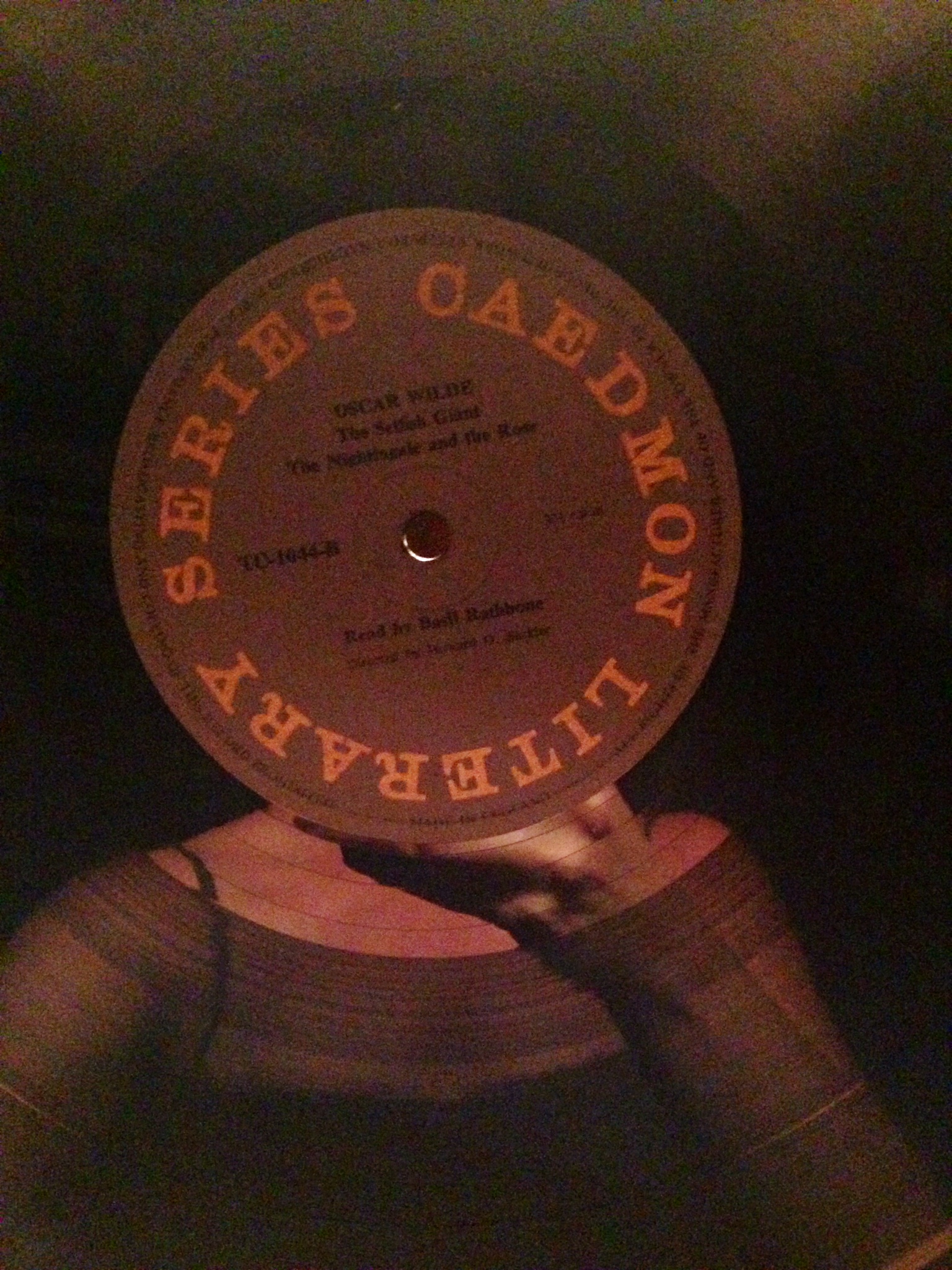
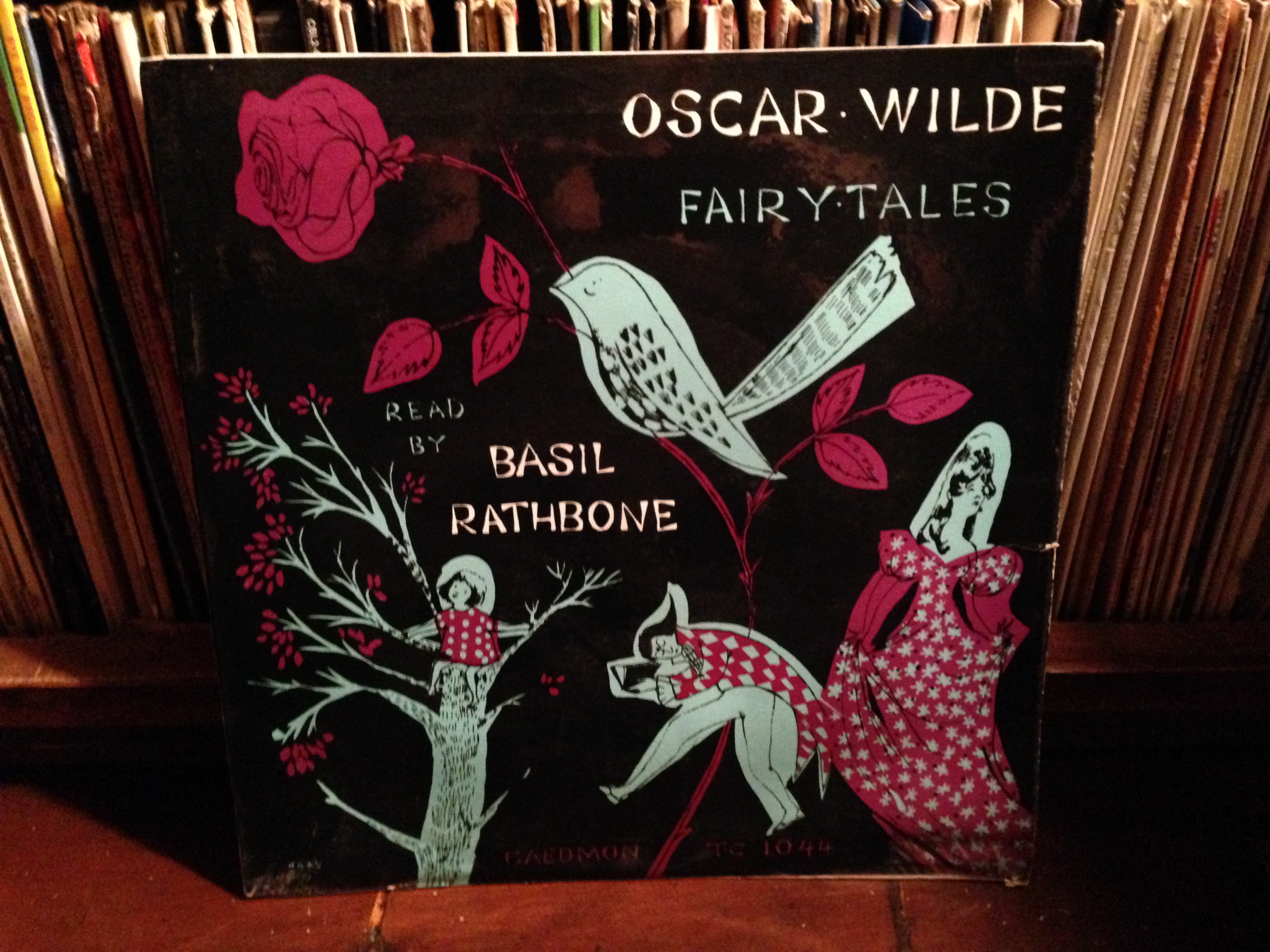
LISTEN here to Basil Rathbone read The Selfish Giant:
Comments : 1 Comment »
Categories : Beauty, Children's Books, Happiness (Wit = α+βxit+εit), Language, Love
agua y sed
18 04 2014
<p><a href=”http://vimeo.com/42913323″>AGUA – JARABE DE PALO</a> from <a href=”http://vimeo.com/diegoaap”>Diego Alejandro Arevalo Palacios</a> on <a href=”https://vimeo.com”>Vimeo</a>.</p>
Comments : Leave a Comment »
Categories : Love, Uncategorized
Who was the FIRST mommy?
14 04 2014(conversation with Luna- age 5, Philomena- age 7)
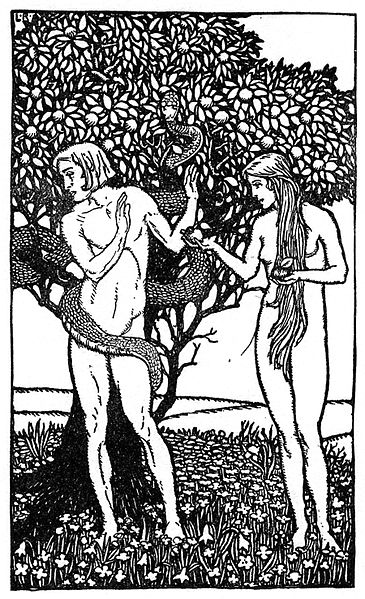
Luna – Who was the first mommy? Philomena- Adam and Eve were the first people. Everyone knows that. Luna – But who was the first mommy? Mommy- It’s a bit of a mystery isn’t it girls? Philomena – The mystery is GOD.A few moments later…
Philomena – But Adam and Eve were the first people right Mommy? Mommy – There are many stories that tell us that Adam and Eve were the first people. These stories are celebrated across many of our world’s religions–Christians, Jews, Muslims and Hindus–Hindu’s call the first man, Manu and first woman, Shatrupa though. Adam and Eve are beautiful symbols of love and creation. Philomena – And they teach us that we are all one family–that we are all sisters and brothers, so you are my sister and my mommy, right mommy? Mommy – How’d you get to be so clever, Philomena? Yes, I’m your mommy and your sister. I love you. At first I couldn’t make out what I was made for, but now I think it was to search out the secrets of this wonderful world and be happy and thank the Giver of it all for devising it. I think there are many things to learn yet—I hope so; and by economizing and not hurrying too fast I think they will last weeks and weeks. I hope so. – Eve(Eve’s Diary, Complete by Mark Twain, first published in the 1905 Christmas issue of Harper’s Bazar. See full text with illustrations by Lester Ralph here: http://www.gutenberg.org/files/8525/8525-h/8525-h.htm
The book was written as a love letter to Mark Twain’s wife Livy who died just before the story was written. Mark Twain is quoted as saying, “Eve’s Diary is finished — I’ve been waiting for her to speak, but she doesn’t say anything more.” The story ends with Adam’s speaking at Eve’s grave, “Wherever she was, there was Eden.”
Comments : Leave a Comment »
Categories : God, Love, Uncategorized
Are you your brother’s keeper?
11 04 2014
– Do people sometimes grow up resembling the ones they swore they never would?
– I think the sad truth is perhaps we always do. I think, though, that one of the things the story [August: Osage County] provides, is it introduces a question. The question is: Do you have a choice? Are you your brother’s keeper? When does your responsibility to your family end, and when should your responsibility to yourself take over? – Tracy Letts
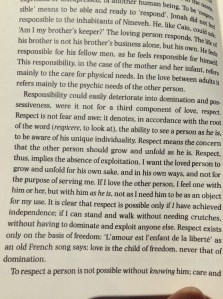 – The Art of Loving, Erich Fromm
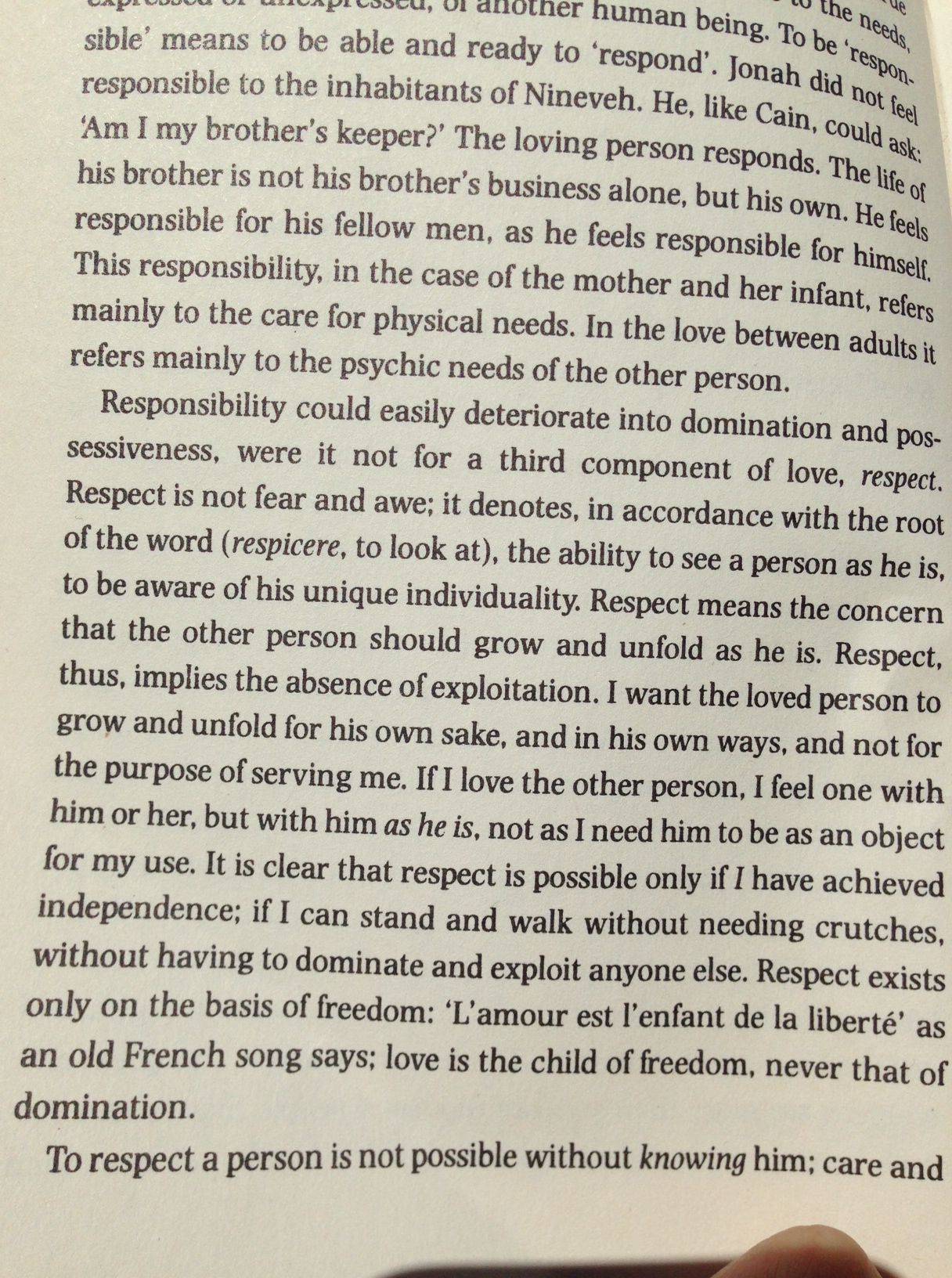 – The Art of Loving, Erich Fromm
Comments : Leave a Comment »
Categories : Free Will, Love, Uncategorized
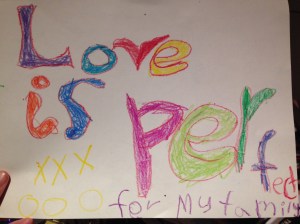
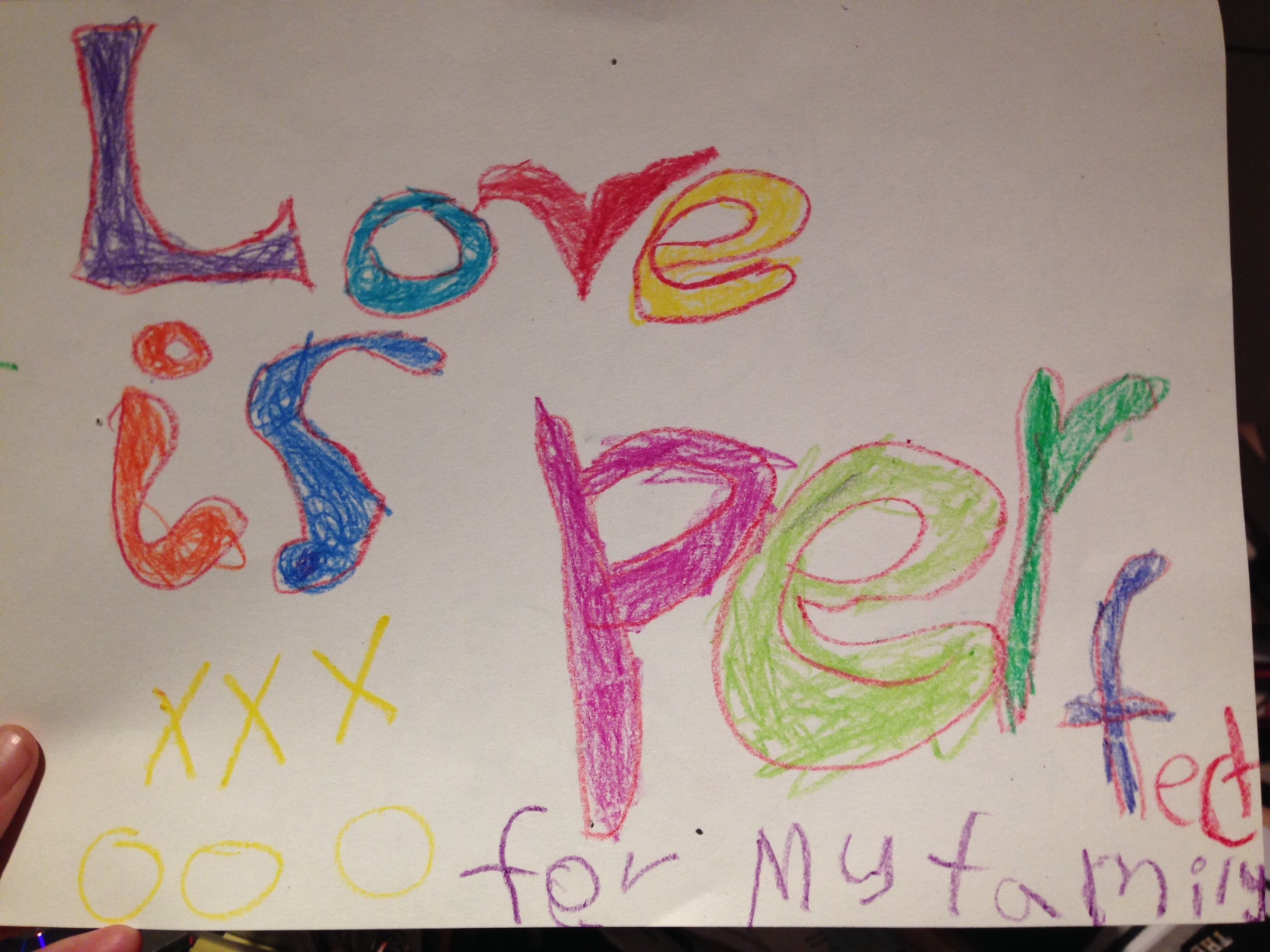
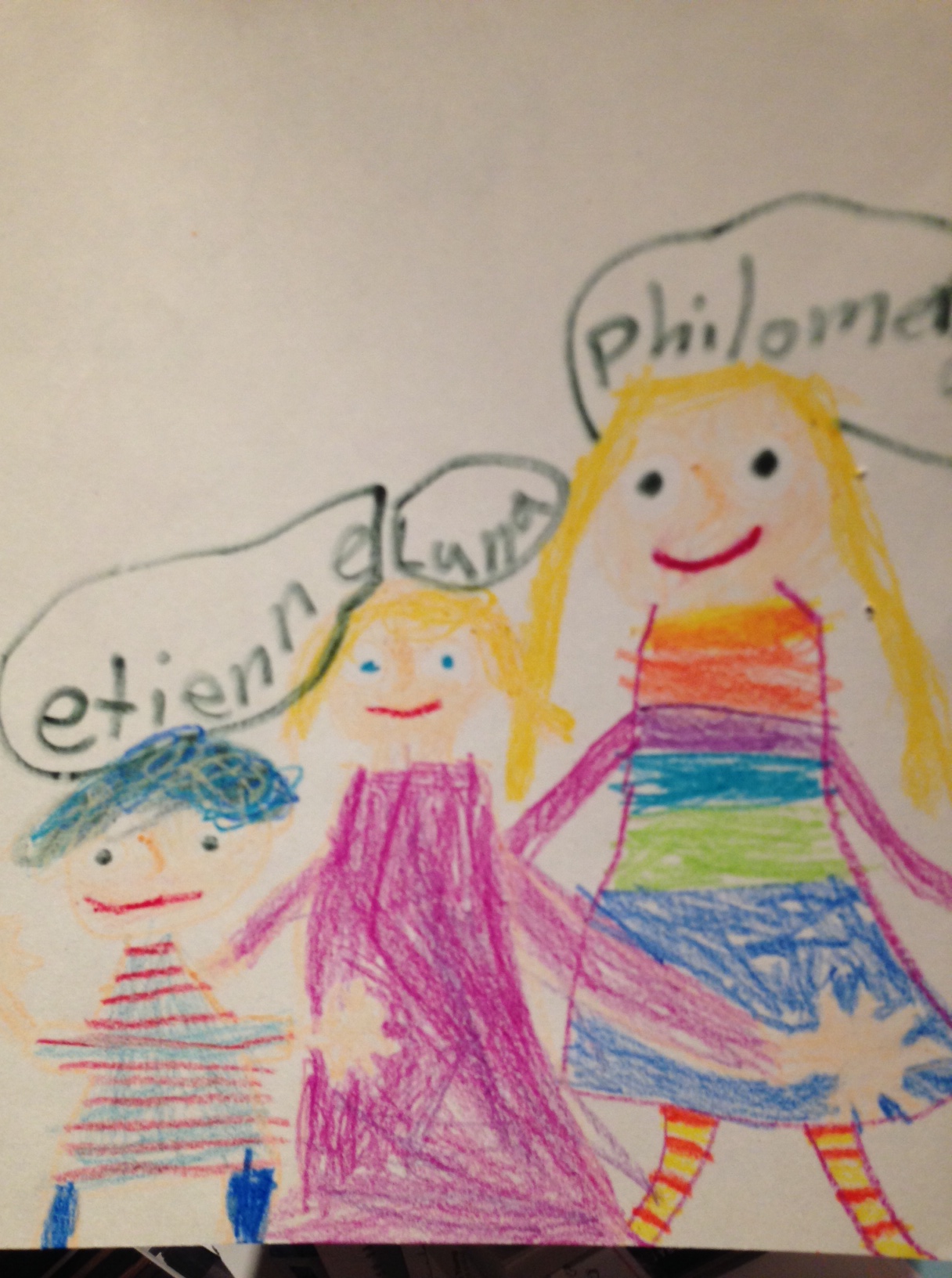
LOVE is perfect: from Philomena to Etienne
6 04 2014- The concept of “perfection” (according to its oldest definition) goes back to Aristotle. In his book, Delta of the Metaphysics, Aristotle makes three distinctions in the meaning of the term. What is perfect is that:
- 1. which is complete — which contains all the requisite parts;
- 2. which is so good that nothing of the kind could be better;
- 3. which has attained its purpose.
Comments : Leave a Comment »
Categories : Love, Purpose, Uncategorized
SUFFERING is the way we test our LOVE
31 03 2014A bit more from Shantaram:
A group of senior men – a former Afghan guerrilla, a stateless Palestinian, a Bombay gangster, and the main character are smoking hash and discussing the meaning of suffering. They each state their opinions in turn:
Khaled (the Palestinian): ‘I know that suffering is the truth. I know that suffering is the sharp end of the whip, and not suffering is the blunt end – the end that the master holds in his hand. If you’d been born in Palestine, you’d know that some people are born to suffer. And it never stops, for them. Not for a second. You’d know where real suffering comes from. It’s the same place where love and freedom and pride are born.’
Farid: ‘I think our brother Khaled is right, in a way. I think that happiness is a really thing, a truly thing, but it is what makes us crazy people. Happiness is a so strange and power thing that it makes us to be sick, like a germ sort of thing. And suffering is what cures us of it, the too much happiness. The – how do you say it? – burden.’ […] The burden of happiness can only be relieved by the balm of suffering.’ […] ‘Yes, yes, that is what I want to say. Without the suffering, the happiness would squash us down.’
Kader (the big boss and the one everyone has been waiting to hear speak on this topic): ‘I think that suffering is the way we test our love. Every act of suffering, no matter how small or agonisingly great, is a test of love in some way. Most of the time, suffering is also a test of our love for God.’ […]
He continues, ‘Now I will move on to my more detailed answer. The Holy Koran tells us that all things in the universe are related, one to another, and that even opposites are united in some way. I think that there are two points about suffering that we should remember, and they have to with pleasure and pain. The first is this: that pain and suffering are connected, but they are not the same thing. Pain can exist without suffering, and it is also possible to suffer without feeling pain. […] The difference between them is this, I think: that what we learn from pain – for example, that fire burns and is dangerous – is always individual, for ourselves alone, but what we learn from suffering is what unites us as one human people. If we do not suffer with our pain, then we have not learned about anything but ourselves. Pain without suffering is like victory without struggle. We do not learn from it what makes us stronger or better or closer to God.’
Abdul Ghani interjects: ‘And the other part, the pleasure part?’
‘Ah’, Kader continued, ‘I think that it’s a little bit like what Mr Lin tells us about [terrorist] Sapna’s use of words from the Bible. It is the reverse. Suffering is exactly like happiness, but backwards. One is the mirror image of the other, and has no real meaning or existence without the other.’
Comments : 1 Comment »
Categories : God, Happiness (Wit = α+βxit+εit), Love, Purpose
LOVE is a way of earning the future
31 03 2014An excerpt from a conversation in Shantaram.
A group of foreigners and Indians are talking about hardships they’ve been through, and how much the slumdwellers suffer all the time. The main character’s love interest (unrequited) is about to speak:
We all turned our attention to Karla. She toyed with her cup for an instant, turning it slowly in the saucer with her long index finger. “I think that we all, each one of us, we all have to earn our future.” she said slowly. “I think the future is like anything else that’s important. It has to be earned. If we don’t earn it, we don’t have a future at all. And if we don’t earn it, if we don’t deserve it, we have to live in the present, more or less forever. Or worse, we have to live in the past. I think that’s probably what love is – a way of earning the future.”
Comments : Leave a Comment »
Categories : Love, Morality, Purpose
Mothers Day
30 03 2014
– Mummy, I woke up this morning and felt very sad that you weren’t here. That you were so far away.
– I woke up sad this morning too. I miss you very much.
– It feels like you have been gone for 15 days or even more. But it’s only been three days.
– I know. Sometimes time feels like that. Sometimes the shortest amount of time going by can still feel like an eternity. I’ll be back home very soon.
– I love you.
-I love you.
Apparently today a Double Black Moon is meant to appear in the night sky. Note that there is no scientific evidence of this moon-event but I have become obsessed with all things mystical around the moon given that my daughter’s name is Luna. The double lunation occurs every two and a half to three years and is associated with higher consciousness, hidden wisdom, the deepening of communication with the angelic, fairy and spiritual realms.
Some believe the wishes you make on a double black moon come true. So I’ve been thinking long and hard about what I wish today. And what I wish–above all else–is to be the best mother possible to my gorgeous daughters. To love them, cherish them, to deepen my communication with them, to reach a higher consciousness with them and to live together with them in all things magical.
I dedicate this short film to Philomena and Luna. My greatest loves. I love you all the way to the moon–across the moon and back.
Moonwalk – http://aeon.co/film/moonwalk-a-short-film-about-the-ultimate-moon-shot/
Comments : Leave a Comment »
Categories : Imagination, Love, Uncategorized
LOVE is how the LIGHT gets in
26 03 2014all of these artists will all be performing here: http://howthelightgetsin.iai.tv/
Mr. Scruff also sells tea. Proceeds go to charity. Check it out. http://www.makeusabrew.com/showscreen.php?site_id=20&screentype=site&screenid=20
“Dulce et decorum est pro patria mori”
The poem from which the line comes exhorts Roman citizens to develop martial prowess such that the enemies of Rome will be too terrified to resist them. In John Conington‘s translation, the relevant passage reads:
To suffer hardness with good cheer,
In sternest school of warfare bred,
Our youth should learn; let steed and spear
Make him one day the Parthian’s dread;
Cold skies, keen perils, brace his life.
Methinks I see from rampired town
Some battling tyrant’s matron wife,
Some maiden, look in terror down,—
“Ah, my dear lord, untrain’d in war!
O tempt not the infuriate mood
Of that fell lion I see! from far
He plunges through a tide of blood!”
What joy, for fatherland to die!
Death’s darts e’en flying feet o’ertake,
Nor spare a recreant chivalry,
A back that cowers, or loins that quake.
(thank you wikipedia for always being there for me when i need you)
Afro-Beat Collective, explores the need and importance of exploring for the sake of exploring…”The objective is to to create music derived from a deliberate intention to transmit a message of determination, substance and, most importantly, Unity. To see music as One World, a musical space that transcends and breaks free from styles and any kind of sound that compromises the skills of the musicians playing and the importance of musicianship or group collaboration and expression.” – HENRY COLE & AFROBEAT COLLECTIVE
Comments : Leave a Comment »
Categories : Beauty, Creativity, Imagination, Language, Love, Purpose, Uncategorized
Gift’s from HAFIZ
23 03 2014Hafiz is the most beloved poet of Persia. He lived around the same time as Chaucer and hundred or so years after Rumi. He became known in the West through the efforts of Goethe and Ralph Waldo Emerson, who translated Hafiz in the 19th Century.
A beautiful morning read.
WHEN THE VIOLIN When The violin Can forgive the past It starts singing. When the violin can stop worrying About the future You will become Such a drunk laughing nuisance That God Will then lean down And start combing you into His Hair. When the violin can forgive Every wound caused by Others The heart starts Singing. A STRANGE FEATHER All The craziness, All the empty plots, All the ghosts and fears, All the grudges and sorrows have Now Passed. I must have inhaled A Strange Feather That finally Fell Out. I AM REALLY JUST A TAMBOURINE Good Poetry Makes the universe admit a Secret: “I am Really just a tambourine, Grab hold, Play me Against your warm Thigh.”Comments : 2 Comments »
Categories : God, Happiness (Wit = α+βxit+εit), Love, Poetry, Uncategorized
Push the Bush
21 03 2014
Comments : Leave a Comment »
Categories : Economics, God, Imagination, Love, Morality, Purpose, Uncategorized
Sacrificing Strawberries
4 03 2014
<p>Luna on Lent</p>
Luna – Mummy what will you give up for LENT?!
Mummy – That’s a good question, I don’t think I’ve given up anything for lent in a VERY long time.
Philomena – How long exactly?
Mummy – I think the last time was when I was 12 or 13.
Luna – I’m giving up strawberries. I LOVE strawberries, so I’m giving up strawberries.
Philomena – So what will YOU give up, Mummy?
Mummy – I’m not sure, what do you think I should give up?
Philomena – It has to be something you really love.
Mummy – Hmmmmm.
Luna – Like STRAWBERRIES.
Philomena – Or PANCAKES– I’m giving up pancakes.
Mummy: Hmmmmmm.
Luna – You could give up COFFEE? You always drink lots and lots of coffee.
Philomena – Or WINE? That would be a good one.
Mummy – Do I have to give up something I like to eat or drink — or could it be something else? There are lots of things I love.
Philomena – Oh, I KNOW! You love writing. Why don’t you give up WRITING for 40 days?!?!
Mummy – Wow. Let me sleep on that idea. Do we have to tell each other what we give up? Is that part of it?
Comments : 1 Comment »
Categories : Free Will, God, Love, Uncategorized
Through Love’s Great Power-A Mother and a Judge Speaks Out on Section 377
26 02 2014Through Love’s Great Power
By Vikram Seth
Through love’s great power to be made whole
In mind and body, heart and soul—
Through freedom to find joy, or be
By dint of joy itself set free
In love and in companionhood:
This is the true and natural good.
To undo justice, and to seek
To quash the rights that guard the weak—
To sneer at love, and wrench apart
The bonds of body, mind and heart
With specious reason and no rhyme:
This is the true unnatural crime.
See article copied below from The Times of India written by Vikram Seth’s mother, Leila Seth, age 83.
“A Mother and a Judge Speaks Out on Section 377.”
My name is Leila Seth. I am eighty-three years old. I have been in a long and happy marriage of more than sixty years with my husband Premo, and am the mother of three children. The eldest, Vikram, is a writer. The second, Shantum, is a Buddhist teacher. The third, Aradhana, is an artist and filmmaker. I love them all. My husband and I have brought them up with the values we were brought up with—honesty, courage, and sympathy for others. We know that they are hardworking and affectionate people who are trying to do some good in the world.
But our eldest, Vikram, is now a criminal, an unapprehended felon. This is because, like many millions of other Indians, he is gay; and last month, two judges of the Supreme Court overturned the judgment of two judges of the Delhi High Court that, four years ago, decriminalized homosexuality. Now, once again, if Vikram falls in love with another man, he will be committing a crime punishable by imprisonment for life if he expresses his love physically. The Supreme Court judgment means that he would have to be celibate for the rest of his life or else leave the country where he was born, to which he belongs, and which he loves more than any other.
I myself have been a judge for more than fourteen years—first as a judge on the Delhi High Court, then as Chief Justice of the Himachal Pradesh High Court. Later, I served as a member of the Law Commission, as well as the Justice J.S. Verma Committee, which resulted in the Criminal Law Amendment Act 2013 being passed. I have great respect for legal proprieties in general, and would not normally comment on a judgment, but I am making an exception in this case.
I read the judgment of the Delhi High Court when it came out four years ago. It was a model of learning, humanity, and application of Indian constitutional principles. It was well crafted, and its reasoning clearly set out. It decided that Section 377 of the Indian Penal Code infringed Article 14 of the Constitution, which deals with the fundamental right to equality. It infringed Article 15, which deals with the fundamental right to nondiscrimination. And it infringed Article 21, which covers the fundamental right to life and liberty, including privacy and dignity. The judgment of the High Court “read down” Section 377 in order to decriminalize private, adult, consensual sexual acts.
The government found no fault with the judgment and did not appeal. However, a number of people who had no real standing in the matter did challenge it. Two judges of the Supreme Court heard the appeal in early 2012. Then, twenty-one months later, and on the very morning of the retirement of one of them, the judgment was finally pronounced. The Delhi High Court judgment was set aside, Section 377 was reinstated in full, and even private, adult, consensual sexual acts other than the one considered “natural” were criminalized again.
As the mother of my elder son, I was extremely upset. But as a lawyer and a former judge, I decided to reserve my views till I had read the judgment. When I read it, it would be true to say that I found it difficult to follow its logic.
A host of academics and lawyers have critiqued the judgment in great detail, including the nonaddressal of the Article 15 argument, and have found it wanting in many respects. I do not intend to repeat those criticisms. However, I should point out that both learning and science get rather short shrift. Instead of welcoming cogent arguments from jurisprudence outside India, which is accepted practice in cases of fundamental rights, the judgment specifically dismisses them as being irrelevant.
Further, rather than following medical, biological, and psychological evidence, which shows that homosexuality is a completely natural condition, part of a range not only of human sexuality but of the sexuality of almost every animal species we know, the judgment continues to talk in terms of “unnatural” acts, even as it says that it would be difficult to list them.
But what has pained me and is more harmful is the spirit of the judgment. The interpretation of law is untempered by any sympathy for the suffering of others.
The voluminous accounts of rape, torture, extortion, and harassment suffered by gay and transgender people as a result of this law do not appear to have moved the court. Nor does the court appear concerned about the parents of such people, who stated before the court that the law induced in their children deep fear, profound self-doubt, and the inability to peacefully enjoy family life. I know this to be true from personal experience. The judgment fails to appreciate the stigma that is attached to persons and families because of this criminalization.
The judgment claimed that the fact that a minuscule fraction of the country’s population was gay or transgender could not be considered a sound basis for reading down Section 377. In fact, the numbers are not small. If only 5 percent of India’s more than a billion people are gay, which is probably an underestimate, it would be more than 50 million people, a population as large as that of Rajasthan or Karnataka or France or England. But even if only a very few people were in fact threatened, the Supreme Court could not abdicate its responsibilities to protect their fundamental rights, or shuffle them off to Parliament. It would be like saying that the Parsi community could be legitimately imprisoned or deported at Parliament’s will because they number only a few tens of thousands. The reasoning in the judgment that justice based on fundamental rights can only be granted if a large number of people are affected is constitutionally immoral and inhumane.
The judgment has treated people with a different sexual orientation as if they are people of a lesser value.
What makes life meaningful is love. The right that makes us human is the right to love. To criminalize the expression of that right is profoundly cruel and inhumane. To acquiesce in such criminalization or, worse, to recriminalize it is to display the very opposite of compassion. To show exaggerated deference to a majoritarian Parliament when the matter is one of fundamental rights is to display judicial pusillanimity, for there is no doubt that in the constitutional scheme it is the judiciary that is the ultimate interpreter.
A review petition is now up for hearing before one of the two original judges plus another, who will replace the now retired Justice Singhvi. It will be heard in chambers. No lawyers will be present.
I began by saying that Premo and I had brought up our children to believe in certain values. I did not mention some others that we have also sought to inculcate in them: to open their hearts and minds; to admit their errors frankly, however hard this may be; to abjure cruelty; and to repair in a willing spirit any unjust damage they have done to others.
Comments : Leave a Comment »
Categories : Love, Poetry, Purpose, Uncategorized
On Love Spells and Longing
23 01 2014
Glorious Sachiel,
Angel of love,
Open your wings and guide from above,
Guide to me my soul’s twin flame,
Together, as one, we live again.
It is worth saying something about the difference between desire and longing. Wanting is clear, purposive, urgent, driven by the will, always with its goal clearly in view. Longing, by contrast, is something that ‘happens’ between us and another thing. It is not directed by will, and is not an aim, with the ultimate goal of acquisition; but instead is a desire for union–or rather it is experienced as a desire for re-union. – Iain Mcgilchrist
Conversation with Eleanor, age 6. – Who are you? – I am a witch. These are my potions. – Oh, I see. And what will you do with these potions? – They are love potions—to make people fall in love. Some of the girls are already in love but not all of them so I’m going to cast a spell on them. – And what will happen to them once they receive your love spell? What will they feel? – They will be in love, silly. – I see. And how long will your spell last–will they be in love forever? – Mmmmmm. That, I’m not sure really.Conversations with Philomena age 3,4,5,6, and 7. Philomena age 3. – Mummy, when I grow up, I’m going to marry Maxim. Philomena age 4 – Mummy, when I grow up, I’m going to marry Maxim. Philomena age 5 – Mummy, when I grow up, I’m going to marry Maxim. Philomena age 6 – Mummy, when I grow up I might marry Maxim but I might also marry Theo. Philomena age 7 – Mummy, do you know why I can’t decide if I am going to marry Theo or Maxim? It’s because Theo lives here in London—he’s close by and Maxim lives really far away. Do you think I’ll never see Maxim again, Mummy? Because Australia is so far away, isn’t it? Will we ever visit Australia?
Who has not, gazing up at the starry night, held out hope that their “other half” is out there somewhere, gazing up at the same heavens and dreaming of them? That one day they should be brought together by a divine plan, a destiny to become one again, to become whole. Be careful what you wish for. Love spells cause a great number of side effects: Tightness in chest, racing heart, obsessive thoughts, aching mind, awestruck worship and a terrible sense of longing that leads to something disembodied, something beyond conscious experience. A kundalini rising.
Most of us have experienced it at one point or another in life—that bewitching moment when we engage in conversation with someone for the first time and feel a sensation of connectedness so profound that the stranger standing before us can no longer be considered a stranger. That bewitching moment when we look deep within the eyes of another and realise that we have (as Mcgilchrist mentioned above) been reunited with our other half, with the soul mate we hadn’t even realised we were searching for. That bewitching moment when any semblance of reason gives way to an almost painful longing to be close, because we feel understood, deeply understood, for the first time. That bewitching and seductive moment when we are at first stirred and then bound by an electrical current, some higher spiritual energy, a force that leaves us no other choice than to love at once, unconditionally.
Plato portrayed this twin-soul image twenty-five centuries ago, in a legend filled with androgynous creatures. In Plato’s Symposium, Aristophanes speaks in praise of love, relating how Zeus struck the soul into two opposite halves, each to wander the earth in search of the other. The belief is that each one of us, on a deeply subconscious level, knows that something is missing within ourselves, and we seek wholeness.
And when one of them meets with his other half, the actual half of himself, the pair are lost in amazement of love and friendship and intimacy and one will no be out of the others’ sight even for a moment. These are the people who pass their lives together; yet they could not explain what they desire of one another. For the intense yearning which each of them has towards the other does not appear to be the desire of lovers’ intercourse, but of something else which the soul of either evidently desires and cannot tell, and of which she has only a dark and doubtful presentiment.
If Hephaestus, son of Zeus, were to ask the pair: Do you desire to be wholly one, always day and night to be in one another’s company? For if this is what you desire, I am ready to melt you into one and let you grow together, so that being two you shall become one, and after your death in the world beyond you will still be one departed soul instead of two—I ask whether this is what you lovlingly desire? – and there is not a man or woman of them who, when they heard the proposal, would not acknowledge that this melting into one another, this becoming one instead of two, was the very expression of their ancient need. And the reason is that human nature was originally one and we were a whole, and the desire and pursuit of the whole is called love.
My daughter Philomena is very romantic. She let’s everyone know, “my name means love.” There is no question in her mind that one-day, she will meet her soul mate and they will marry. In fact, she is pretty convinced that she has already met him. At age 3.
Is that possible? Is it possible to meet your soul mate so young? That Philomena’s soul is somehow connected to this little boy Maxim’s who she’s been obsessed with for so long? We’re going on 4 years now since their first encounter and she continues to talk about him with such certainty. I do hear about this kind of thing all the time from the many mothers I meet. They tell me of their toddlers falling madly in love and holding on to that love despite time passing (over many years, irrespective of whether the children have moved on to different schools, different countries). It seems so extraordinary to me.
My youngest daughter, Luna, also seems to have found a soul mate. Not in a boy she wants to marry but in her best girlfriend, Haruka. They too met at age 3 and have since moved on to different schools, but every week Luna produces a piece of art-work to send to her friend. Every week she asks when she will see Haruka next. I feel the longing in her voice. She often cries and tells me how much she misses her.
Plato’s mythical tale does not present an argument that we are destined to be with our soul mates in marriage or romance. It is a tale about the search for our other half—the part of our self that is missing. Maybe the uncontrollable longing to melt into one with someone we meet for the first time—when we feel that bolt of lightening—is more about self-realisation than anything else. A mirror of love reflected back upon us. A shared reflection of love.
Perhaps too often we grown ups misinterpret what it means when we finally meet our soul mate—or when we appear to be meeting our soul mate again and again, as the case may be. In this age, where people are finding it hard to connect and forge lasting relationships, the idea of the soul mate, of a cosmic quest, may actually prevent people from being happy with the person they are with and from finding joy in the little things — the normal, nonmystical, yet beautiful things that couples must do to make a relationship work.
Does the belief in and search for a soul mate create unrealistic expectations of what true love is all about? What do our children help reveal about the unexplained sense of longing and connection we feel towards others? Should we melt into one with our soul mate or are our souls meant to be split? Perhaps they are only meant to come together from time to time to reassure us that we are part of a whole?
Comments : 2 Comments »
Categories : God, Happiness (Wit = α+βxit+εit), Love, Uncategorized
too bad you and papi can’t decide to have another baby
17 08 2013
Luna: mummy too bad you and papi can’t decide to have another baby
Mummy: what do you mean ‘we can’t decide’?
Luna: because God decides not you
Mummy: oh I see
Luna: yea too bad. because now I decided that I actually want a little sister instead of a little brother
Mummy: really — how come?
Luna: I want to be able to play with a little sister without my big sister always being the boss
Mummy: wouldn’t you still be the boss whether it was a boy or a girl?
Luna: yea, I would be the boss but I’m not sure my brother would want to play the same games I want to play
Mummy: well maybe you would learn some new games to play with him… I think he would enjoy lots of your games too
Luna: yea. okay. anyway, it’s really okay. it doesn’t matter. we just have to wait for God to decide and there is NOTHING we can do about it! aaaggghhh. (she says shaking her head — hands waving in the air)
Comments : 2 Comments »
Tags: brothers, God, more babies, sisters
Categories : God, Governance, Love
we are love
7 08 2013we are love
we are made of love
we come from love and we go towards love
we die and we become eternal love
we are born and we awaken love
there is no such thing as love lost
only love misplaced and found again
love takes many forms and evolves:
it is a journey from conditional to unconditional
from selfish to selfless
from oneness to separateness and back to oneness
from eros to philia to agape
Comments : Leave a Comment »
Tags: eros, eternal love, journey, lost love, Love, love lost, oneness
Categories : Happiness (Wit = α+βxit+εit), Love, Purpose, Uncategorized
MUMMY it’s more fun if I have TWO daddies ’cause if one daddy go to work and one daddy don’t go to work, when I’m sick one can stay with me!
1 05 2013(6 yr old) Philomena – You know Mummy, today a friend at school said that it isn’t always a man and woman who get married, that sometimes two mummies can get married to each other and have babies as well. But I told her that would be impossible because if two mommies got married together they would have far too many children.
Me – Too many children?
Philomena – YES! Because they BOTH would want to have babies and they BOTH would be having them at the SAME TIME!!! So they would make TOO many babies to take care of!!! And then who would take care of the babies???!!! BECAUSE, well, they would both have to work ALL THE TIME to feed the babies! AND BECAUSE, you see, also, there wouldn’t be a daddy in the house to stop them from having all the babies! AND —
(4 yr old) Luna (interrupting) – If there could be two mommies who are married, could there be two daddy’s who get married as well?
Me – Yes
(6yr old) friend sitting with us – I like having one mommy and one daddy.
Luna (interrupting) – MUMMY it’s more fun if I have TWO daddies ’cause if one daddy go to work and one daddy don’t go to work, when I’m sick one can stay with me!
Philomena – Then I’d like TWO mommies AND two daddies!
Comments : 1 Comment »
Categories : Economics, Happiness (Wit = α+βxit+εit), Love, Uncategorized
Fairytales of love
12 01 2011When I was pregnant I vowed never to show my children certain films or read them certain fables—Snow White, Cinderella and Sleeping Beauty were at the top of that list. This was simply because I never wanted them to overly romanticise love, marriage, or consider waiting “forever” for some prince to come rescue them. I also was extremely uncomfortable with the fact that all of these tales featured dead mothers and wicked step-mothers (I have recently learned that the second part of the non-Disneyfied version of Sleeping Beauty actually features a cannibalistic mother-in-law who attempts to eat all of Sleeping Beauty’s children—as if she hadn’t suffered enough from her 100 year coma!)
Still, by the time Philomena had turned 4, she had the three book versions of the stories above and had seen Sleeping Beauty a dozen times over (actually, I am embarrassed to confess just how many times she’s seen the film). So while I didn’t appreciate the lesson being taught by the fable, i.e. that with patience and through passivity, every woman’s prince would come to her rescue and marry her, or that a woman is somehow incomplete without a man, or that a woman should not dare to be curious (curiosity, represented by the spindle in which S.B. pricks her finger, led to her terrible fate), I still exposed her to it in all its glory. Upon lots of pleading, I even bought her a Sleeping Beauty dress and matching crown.
Anyway, as you might suspect, P has taken to love this story so much that we re-enact it regularly at home.
One day, P was so set on the idea that her father would play the role of “prince,” despite the fact that he had not yet come home from the office, that she lay herself down on the floor of our kitchen for 30 minutes (I kid you not!) and patiently waited until her father came home to waken her with a magic kiss. Dressed in her Sleeping Beauty gown, a pillow under her head and hands folded over her belly, she perched her lips and just waited and waited and waited for what probably felt like 100 years to her little 4 year-old self.
I tried everything to convince her to get up off the floor (it was late, we needed to eat, have a bath and get to sleep) but she refused to EVER get up until the prince arrived. I was, of course, incredibly relieved when he finally walked through the door.
And even more overjoyed that he knew to kiss her immediately. With a gleaming smile from ear to ear, Philomena stretched out her arms to greet him and quickly pronounced them “married.” Moments later, she led her prince down the make-believe grand staircase of her castle to dance the waltz, which she hummed as loudly as possible. I, in the role of her mother, the Queen, was commanded to cry with happiness while watching them dance.
It was just about the sweetest thing in the world to observe my 4-year old wait so patiently to be kissed, held and danced with by her father-prince. But I was also unsettled by the fact that we were all celebrating the fact that my child was being influenced by 16th century values, passed down in story form by peasants around a campfire 4 centuries ago, knowing full well that these violent stories were embraced at a time when society was extremely sexually-repressed and dominated by religious conflict.
A while back I read ‘The Uses of Enchantment’ by Bruno Bettelheim to get a better understanding of the value of such fairy tales–it was actually the reading of this book that made me lighten up a bit about exposing my children to all these old methods of story telling. Bettelheim won the US Critic’s Choice Prize (1976) and the National Book Award for Contemporary Thought (1977) for his analysis and support of these fairy tales, which he believed ultimately helped children to deal with their own inner darkness, fear of abandonment and sense of purpose–his logic was framed in terms of Freudian psychology. All in all, what I took away most from Bettelheim’s book was his message that a parent should not to alter or offer explanations of the plot or characters of the fables. He believed that children would come away after each reading of the fable with a deeper understanding of them; to soften or alter the stories could potentially cause more confusion and harm to the child.
Charles Perrault, who first published ‘The Sleeping Beauty in the Wood’ in 1697, made some changes to the century old fable to appeal to the aristocracy of Louis XIV by making the characters more opulent, but he made sure to leave the original fable to speak for itself. Well I read Perrault’s story today and was amazed to discover that I had been completely wrong about my understanding of the story. It was actually good old Walt Disney, who altered the fable in the 50s, pumping some 6 million dollars into its adaptation, which was VERY different from the original story, as an attempt to expel his own Christian narrative and patriarchal values.
How ironic is it that I find the original fable easier to embrace than the one updated in the 1950s—the version embraced by my parents generation?! How ironic is it that those 16th Century peasants weren’t nearly as sexually repressed as Disney?!
Perrault’s original text actually tells a story of a prince, who waited 100 years for the love of a princess. It tells of an extremely devoted and emotional man who was “more at a loss than she.” It tells a story of a marriage sealed in secret, unbeknownst to the King and Queen, and of sleepless nights of divine love-making. It tells the story of a son afraid of his strong and powerful mother who eventually begins to suspect that he is married and reacts with jealousy and vengeance. Lastly, it tells the story of a humble servant who stands up to the angry Queen to protect the love between the prince, the princess and their children.
This is much more my kind of story.
See for yourself below:
“At last he came into a chamber all gilded with gold, where he saw upon a bed, the curtains of which were all open, the finest sight was ever beheld — a princess, who appeared to be about fifteen or sixteen years of age, and whose bright and, in a manner, resplendent beauty, had somewhat in it divine. He approached with trembling and admiration, and fell down before her upon his knees. And now, as the enchantment was at an end, the princess awaked, and looking on him with eyes more tender than the first view might seem to admit of. “Is it you, my prince?” said she to him. “You have waited a long while.” The prince, charmed with these words, and much more with the manner in which they were spoken, knew not how to show his joy and gratitude; he assured her that he loved her better than he did himself; their discourse was not well connected, they did weep more than talk, little eloquence, a great deal of love. He was more at a loss than she.”
…after supper, without losing any time, the lord almoner married them in the chapel of the castle, and the chief lady of honor drew the curtains. They had but very little sleep.
…the prince left her next morning to return to the city, where his father must needs have been in pain for him. The prince told him that he lost his way in the forest as he was hunting.
The king, his father, who was a good man, believed him; but his mother could not be persuaded it was true; and she began to suspect that he was married…
The queen spoke several times to her son, to inform herself after what manner he did pass his time, and that in this he ought in duty to satisfy her. But he never dared to trust her with his secret; he feared her, though he loved her, for she was of the race of the ogres, and the king would never have married her had it not been for her vast riches; it was even whispered about the court that she had ogreish inclinations, and that, whenever she saw little children passing by, she had all the difficulty in the world to avoid falling upon them. And so the prince would never tell her one word.
But when the king was dead, which happened about two years afterward, and he saw himself lord and master, he openly declared his marriage; and he went in great ceremony to conduct his queen to the palace. They made a magnificent entry into the capital city, she riding between her two children….
for the complete story see: http://www.pitt.edu/~dash/type0410.html#nights
Comments : 3 Comments »
Categories : God, Imagination, Love, Morality
Love – God makes rainbows
15 03 2010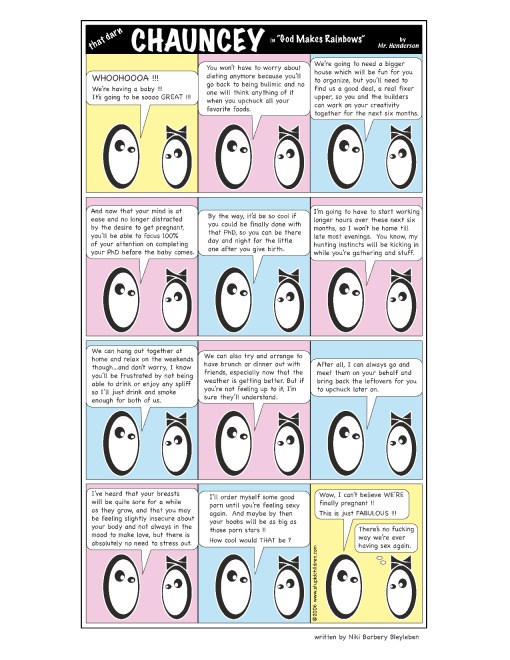
Comments : Leave a Comment »
Tags: chauncey, pregnancy
Categories : Love
 Girlwithoutawatch